


My Practice | Between Worlds | ART IN PROCESS Framework™ | Research | FAQ | Contact | Acknowledgement | Booking
We are all works in process—continually shaped by relationship, creativity, memory, and the search for meaning.
My Practice
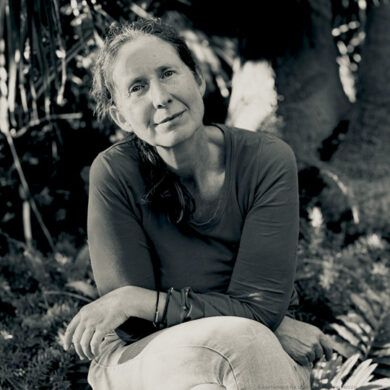
Individual Therapy for Adults | Couples Counselling | NDIS | Private
A reflective space where psychodynamic psychotherapy, creative arts therapy, philosophy, and lived experience come together.
You are not expected to be artistic. What we work on is your curiosity about life.
Finding the right therapist matters.
Especially when previous experiences of support have not felt helpful, meaningful, or like they truly understood you.
ART IN PROCESS Therapy offers a space for people who experience the world deeply, think differently, or have felt disconnected from approaches that did not leave room for their unique experiences. My work is particularly informed by neurodiversity-affirming practice, trauma awareness, and an understanding that each person’s story is complex and individual.
A shared space.
Get a sense of what it may be like for us to work together.
Every person’s journey is unique. Therapy is not about fitting yourself into a particular model; it is about creating a space where your experiences can be understood, explored, and respected. Together, we can gently explore patterns, relationships, emotions, memories, and the ways you have learned to navigate the world.
Every client is on a unique journey; therefore, every client deserves therapy tailored to their individual needs.
An ethical setting.
My practice is informed by continually evolving research and shaped by a commitment to lifelong learning, professional development, and clinical supervision. Clinical Registration with the Psychotherapy and Counselling Federation of Australia (PACFA) and the Australian, New Zealand and Asian Creative Arts Therapies Association (ANZACATA) reflects my commitment to ethical, accountable, and evidence-based allied health practice.
At ART IN PROCESS Therapy, healing is understood as a process of becoming more curious than critical, more connected than disconnected, and more flexible than fixed. Through creative expression, body awareness, and psychodynamic exploration, we can begin to recognise longstanding patterns and discover new ways of relating to ourselves and others.
Tranformation is rarely about becoming someone else. It is about meeting ourselves more fully.
Relational considerations.
We are never finished. Our lives continue to unfold through relationships, creativity, memory, loss, imagination, and hope.
There are times when we feel uncertain, disconnected, overwhelmed, or caught between different versions of ourselves. Sometimes words are enough to help us understand these experiences. At other times, meaning emerges through images, movement, dreams, metaphor, body awareness, or quiet reflection.
Together, we create a space where curiosity can replace judgement, creativity can open new perspectives, and meaningful change can emerge.
Location and Therapeutic Needs.
My studio is located in Walyalup (Fremantle) on Noongar Boodja, the ancestral Country of the Noongar people, in Western Australia. Sessions are available in person or online.
I recognise that everyone has different preferences. You are welcome to view my availability through the online booking portal, or contact me if you prefer to discuss availability and the next steps.
Explore this space with curiosity and openness, and consider whether my approach feels like the right fit for you.
Between Worlds
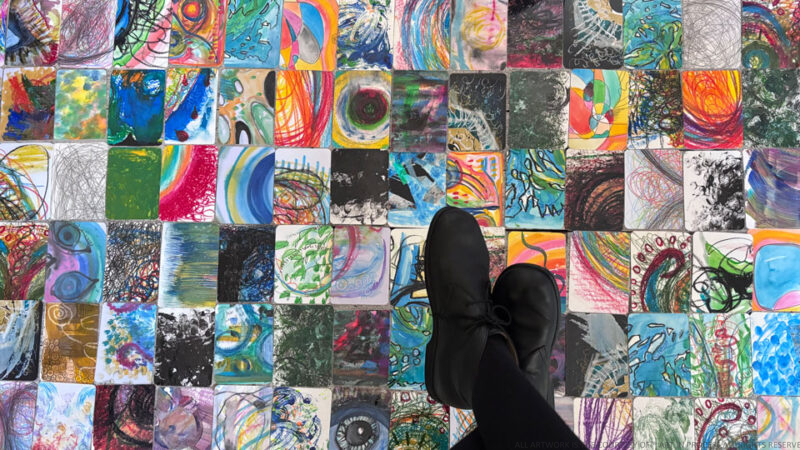
Life rarely unfolds in a straight line.
Grounded in psychodynamic psychotherapy and enriched by creative arts therapy, philosophy, embodied awareness, and decades of artistic practice, my work supports people in discovering new ways of understanding themselves, their relationships, and the stories that have shaped their lives.
Who I am and how I work.
For much of my life I have lived between disciplines, cultures, languages, and ways of understanding the world.
My early studies in Vienna immersed me in philosophy, art history and theatre, nurturing a lifelong fascination with human experience, creativity, and exploring meanings of life.
Art became more than a profession—it became a way of listening, exploring and making meaning. For many years I worked as a contemporary artist, collaborating with performers, mentoring creative practitioners, and facilitating artistic processes that invited curiosity and experimentation.
Relocating to Australia in my late twenties brought another profound dimension to my journey. Living between cultures has deepened my understanding of migration, identity, belonging, and life’s many transitions.
Eventually these experiences found a natural home in psychotherapy and creative arts therapy.
Today they are no longer separate interests. They have become an integrated way of working—bringing together reflection, creativity, relationship, and compassionate clinical practice.
Between what we know and what we are becoming lies the space where transformation begins.
Creative expression is never expected but may evolve naturally.
My work is grounded in contemporary psychodynamic psychotherapy and psychoanalytic thinking while remaining responsive to the whole person—their history, relationships, emotions, body, imagination, and creative capacity.
Psychodynamic psychotherapy invites us to understand how past experiences continue to influence present patterns of feeling, relating, and living. Rather than focusing only on symptoms, it seeks deeper understanding and meaningful change.
Creative arts therapy complements this process by offering additional languages of expression. Images, movement, objects, writing, dreams, and metaphor can sometimes reveal experiences that words alone cannot fully capture.
Some people work entirely through conversation. Others discover that creative processes help them explore emotions, memories, or possibilities in ways that feel both safe and illuminating.
Together we find the approach that feels right for you.
A Process of Seeking Belonging and Identity.
My journey has taken me from Vienna to Australia, from philosophy to psychotherapy, from contemporary art practice to creative arts therapy.
Each chapter has enriched the next.
Today my work continues to be informed by philosophy, artistic practice, psychodynamic thinking, embodied awareness, and the lived experience of migration and cultural transition.
These experiences have shaped not only what I do, but how I listen.
Sometimes the most meaningful changes begin quietly, with the courage to remain present to our own experience.
Clinical Experience and Interests.
My therapeutic practice has developed through many years of working across community mental health, counselling, disability, psychotherapy and creative arts therapy settings.
I have worked alongside people living with complex trauma, developmental differences, psychotic experiences, personality disorders, chronic emotional distress, and the challenges that accompany significant life transitions.
My approach is relational, trauma-informed, culturally responsive, and respectful of each person’s unique history.
Above all, therapy is a collaborative process.
There is no expectation to perform, to have the right words, or to know where to begin.
We begin wherever you are.
My beliefs, values, lived experience, and professional practice have evolved into the ART IN PROCESS Framework™, a natural progression of the longstanding work I have developed through my connection with ART IN PROCESS and Existence Theatre over the years.
ART IN PROCESS Framework™

Awareness is naming your story. Healing is pausing with your body. Integration is living your truth. This is the ART IN PROCESS Framework™.
an integrative therapeutic model that combines creative arts practices with psychodynamic approaches to support adults experiencing complex diagnoses, chronic conditions, trauma-related challenges, and multifaceted symptoms.
- A – Attend (to body, emotions, and inner experience)
- R – Reflect (through art, symbolism, and psychodynamic exploration)
- T – Transform (by practising new perspectives and more intentional responses)
Through creative expression, body awareness, reflective exploration, and perspective-taking, clients learn to recognise long-standing patterns, deepen their understanding of themselves, and cultivate greater flexibility in how they respond to thoughts, emotions, relationships, and life’s challenges.
Personal Context – A framework especially useful for trauma recovery.
Professional Context – A framework that supports ongoing self-development, resilience, and sustainable professional engagement across diverse occupational contexts. It is designed to benefit individuals with leadership responsibilities, allied health professionals, mental health practitioners, social workers, medical staff, and others by fostering meaningful, grounded, self-regulated, and reflective practice.
The ART IN PROCESS Framework™ is shaped by longstanding professional enquiry and brings together respect, safety, compassion, and genuine care to honour and support each client’s unique therapeutic journey.
Develop greater body awareness, insight into recurring patterns, and the ability to respond with more flexibility rather than automatic survival responses.
What Makes This Program Different?
Many trauma-informed approaches emphasise safety and regulation, providing the essential foundation for healing. The ART IN PROCESS Framework™ offers a distinctive contribution by helping clients cultivate psychological flexibility through creative inquiry. The goal isn’t simply feeling calmer—it’s expanding the range of ways clients can understand and respond to themselves and others. Helping people understand the patterns that shape their lives, they discover new possibilities for living, and cultivate greater authenticity, resilience, and purpose.
The ART IN PROCESS Framework™ integrates:
- psychodynamic insight
- embodied awareness
- expressive arts
- cognitive flexibility
- reflective practice
The goal is not only to improve pain management or recover from trauma but to create meaningful and lasting change from within.
This is what happens in session.
- Embodied awareness – noticing the body’s signals and nervous system responses.
- Creative expression – using art to explore experiences that are difficult to put into words.
- Psychodynamic insight – making sense of recurring emotional and relational patterns.
- Perspective shifting – exploring multiple meanings and possibilities rather than staying in one fixed interpretation.
- Intentional action – choosing responses that fit the present rather than repeating past survival strategies.
A pathway to transformation.
From:
- Feeling stuck in familiar emotional and behavioural patterns
- Living mostly in survival mode
- Feeling disconnected from the body
- Experiencing rigid ways of thinking and relating
To:
- Increased awareness of bodily cues
- Greater understanding of emotional and relational patterns
- More flexible thinking and perspective-taking
- Greater capacity to pause, reflect, and make intentional choices
A unique method based on four stages that intertwine and communicate with each other.
1. NOTICE
Learning to observe the body’s signals, emotions, thoughts, and nervous system responses without immediately reacting.
2. EXPRESS
Using creative processes (art-making, imagery, symbols, metaphor) to access experiences that may be difficult to express in words.
3. UNDERSTAND
Exploring recurring patterns through a psychodynamic lens:
- attachment
- defence mechanisms
- relational templates
- unconscious beliefs
- emotional themes
4. REIMAGINE
Practising perspective shifts and developing more flexible responses that align with present-day needs rather than past survival strategies.
The ART IN PROCESS Framework™ adapts to the individuality of each client, integrating past experiences, relational patterns, and present-day functioning to foster greater authenticity.
Research

September 2026
ECArTE Conference – European Consortium of Arts Therapies Education
8-11 Sep, Pula University/Croatia
My Journey, My Sense of Self, My Belonging: Identity in Crisis – introducing embodied ways of therapeutic self-discovery through performative techniques
Elisabeth Eitelberger AThR
ABSTRACT: The experience will encompass a guided blend of large-scale drawing and movement to sound/rhythm, and expressive writing to articulate both collective and individual emotions, alongside the myriad factors that shape our personal and shared identities beyond stigmatisation and label. Drawing on her extensive expertise in performance art and embodied therapeutic processes centred on trauma recovery and existential topics within Australia’s multicultural context, the presenter will intertwine elements of performance drawing with storytelling and dance.
With a focus on generating fast and slow movement, participants will delve into rhythm, repetition, and form by interacting with different media, while being invited to pause and reflect, as well as to activate their awareness of what visual gratification may occur when movement is expressed on paper.
The workshop underscores the critical role of ongoing self-reflective and self-reflexive practices for therapists, aimed at improving their self-awareness in trauma-related contexts, when engaging with others, exploring boundaries and barriers, giving and receiving space. It centres on the acknowledgment and visualisation of somatic, embodied responses to various stimuli, such as engaging with materials through tactile interaction, listening attentively to sounds, and cultivating a shared experience of connection that arises from a collaborative, embodied approach to celebrate autonomy within the collective endeavour, by grounding and self-regulating in the therapeutic presence of others.
The workshop will integrate components of creative arts therapies, utilising authentic movement (a technique from dance therapy), distancing strategies (from drama therapy), bilateral movement/drawing (from expressive arts therapies), as well as sound and rhythm (from music therapy) in individual, dyadic and collective encounters. Participants will gain practical insights into the theoretical underpinnings of these practices and their relevance in therapeutic context with emphasis on complex clinical presentations.
Keywords: embodiment, identity, trauma-informed practice, creative arts therapies, performative methods
COMING UP in June 2027
Arts in Society Conference
9-11 June 2027, UWA University of Western Australia, Perth
2027 Conference | The Arts in Society Research Network
Identity in Crisis: External Positioning and Internal Experience — Performance Art as Therapeutic Practice in Peripheral Contexts
by ART IN PROCESS
The workshop interrogates how artistic and therapeutic practices emerge through conditions of cultural, institutional, and geographic marginality. It critically questions centre–periphery paradigms that privilege metropolitan art worlds, reframing peripheral sites as generative spaces of experimentation, hybridity, and embodied knowledge production.
The research is grounded in the interdisciplinary practice of ART IN PROCESS and Existence Theatre, developed over more than two decades by two collaborating Western Australian artists. It traces the evolution of performance-based methodologies, originally cultivated within experimental theatre at the margins of institutional frameworks, into trauma-informed creative arts therapeutic practice, extending performative strategies into psychosocial and clinical contexts.
The proposed workshop extends two international iterations delivered in Europe in 2026: at JAMU International Theatre Conference and at the European Arts Therapy Conference ECArTE. It further develops an integrative model in which performance art and trauma-informed therapeutic practice are articulated across artistic, clinical, and academic domains.
Methodologically, the session is led through live soundscape composition and integrates therapeutic modalities including bilateral drawing, authentic movement, dramatisation, and expressive writing. Participants are guided through a structured yet open-ended process of somatic exploration. Emphasis is placed on rhythm, repetition, material engagement, and the dynamic interface between internal affective states and external expression. A central focus is the reciprocal relationship between socio-cultural positioning and subjective experience: how marginalisation becomes inscribed somatically as identity crisis, and how performative processes may enable articulation, regulation, and reconfiguration of lived experience. The workshop foregrounds trauma-informed and reflexive practice, highlighting attunement, boundary awareness, and relational ethics within artistic and therapeutic encounter.
The implications of this work extend to performance studies and arts therapies by demonstrating how embodied, process-oriented methodologies can engage complex trauma, identity fragmentation, and belonging in multicultural contexts. It highlights peripheral artistic sites as generative spaces of innovation and socially responsive knowledge at the intersection of art, therapy, and community practice.
Keywords: periphery, marginality, embodiment, trauma, performance, therapy, hybridity, ethics, community, interdisciplinarity
FAQ
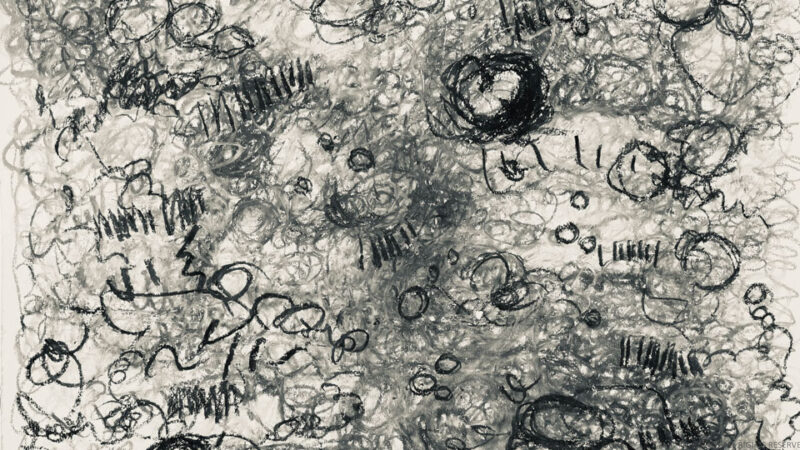
Is this a Mental Health Service?
Yes. I have specialist training and education in relevant areas as well as engage in ongoing professional development opportunities. As Allied Health Professional I have full Clinical Registration with PACFA and ANZACATA.
My mental health practice is nurtured by my interests in
- Creative Arts Therapy
- Philosophy and Meaning-Making
- Identity and Belonging
- Migration and Cultural Transition
- Performance and Embodied Expression
- Contemporary Art Practice
- Creativity Across the Lifespan
- Reflective Practice
- Community Arts
- Mentoring Artists and Practitioners
I am in crisis. Can you help me?
If you are experiencing an existential crisis or having suicidal thoughts, you are welcome to bring these experiences into therapy. My practice primarily focuses on helping people work through the effects of past trauma and current life stressors. Where appropriate and within the scope of my practice, we can explore what has contributed to your distress, develop coping strategies, and create a personalised safety plan that identifies the people, services, and resources that can support you during difficult times.
Please note that my practice is not a crisis or emergency service. If you believe you are at immediate risk of harming yourself or others or are unable to keep yourself safe, contact your local emergency services or present to your nearest hospital emergency department for assessment.
If you are feeling like a burden to others, those thoughts can feel incredibly convincing, but they are not something you have to carry alone. Hospital staff work with people experiencing mental health crises every day, and their role is to provide care, support, and help keep people safe. Even if there is a wait before you are seen, being in a place where there are healthcare professionals and other people around you is often much safer than being alone with overwhelming thoughts. Reaching out for help is not a burden—it is a courageous step towards keeping yourself safe until more support is available.
— PLEASE REMEMBER —
FOR CRISIS SUPPORT IN WESTERN AUSTRALIA CONTACT FOLLOWING SERVICES:
24/7 help in urgent and life-threatening situations: Call 000 for Ambulance | Police | Fire Brigade
24/7 help for mental ill-health experiences: Attend any hospital accident and emergency unit
Life Line: 13 11 14 – Kid’s Helpline: 1800 55 1800 – Crisis Care: 08 9223 1111 – Suicide Call Back Service: 1300 659 467
Mental Health Emergency Response Line
Metro callers: 1300 555 788 – Peel callers: 1800 676 822 – Outside metro area: 1800 552 002
Do you work with my diagnosis?
I work alongside people living with
- developmental differences
- complex trauma
- personality disorders
- psychotic illnesses
- long-term emotional distress
- recovery following significant life disruption
- neurodivergent traits
My approach is trauma-informed, relational and sensitive to the unique history each person brings. I work collaboratively and at a pace that respects individual readiness and safety.
Can you help me with my presenting issues?
People come to therapy for many reasons.
You may be
- experiencing anxiety or depression
- navigating grief or loss
- living with the impact of trauma
- seek complementary approaches to support pain management
- feeling disconnected from yourself
- exploring identity
- living between cultures
- seeking greater emotional understanding
- experiencing relationship difficulties
- feeling creatively blocked
- searching for meaning
- wanting a more reflective way of living
No artistic experience is required.
What kind of therapy do you provide?
- Psychodynamic Psychotherapy.
- Creative Arts Therapies.
- Counselling.
- Individual Therapy.
- Couples Counselling.
- Something In-Between.
How to begin Therapy?
Beginning therapy can feel like a significant step.
The first consultation offers an opportunity for us to meet, explore what has brought you here, and consider whether working together feels like the right fit.
There is no obligation to continue.
Finding a therapist is an important decision, and I encourage you to choose someone with whom you feel comfortable and understood.
Consultation Options
- Individual Therapy
- Couples Therapy
- Creative Arts Therapy specifically
- Reflective Practice and General Supervision (please note: if you need Clinical Supervision, this will be available from 2027)
What are the steps to start?
Reach out via email or make an online booking for an initial consultation.
In our first session, we’ll discuss what works best for you, your goals for therapy, and whether you’d prefer a fixed timeframe or a flexible schedule. Together, we’ll develop a treatment plan that may include an agreed number of sessions or an open-ended therapeutic process, depending on your needs and preferences.
Do you take private clients and NDIS clients?
Yes.
Private clients are welcome to self-refer. Medicare rebates are not available, and no discounts are offered through Medicare at this stage. As a result, I keep my fees below the standard rates typically charged by psychologists to make my sessions accessible.
You do not need a Mental Health Treatment Plan or a referral from your GP or any other healthcare professional to book an appointment.
If relevant, you are encouraged to share your medical history, as this may help inform your treatment and ensure your care is tailored to your individual needs.
NDIS participants are welcome to book appointments if their plan is self-managed or plan-managed.
Before booking, please discuss your therapy funding with your Support Coordinator or Plan Manager to ensure the service can be approved under your NDIS plan. You’re also encouraged to get in touch via email if you’d like to confirm the steps involved or discuss any plan requirements before making an appointment. Please note: while general session fee apply, fees for NDIS service get adjusted to standard rates.
If you have any specific access, communication, sensory, or other support needs, please let me know before your first session. This helps ensure the practice is a good fit for your needs, allows appropriate arrangements to be made where possible, and helps avoid disappointment if the space or service is not suitable for you.
Are you a good fit for me?
Booking an initial session will help us investigate if I am a good fit for you and how comfortably you experience the space I offer.
I welcome people who are
- navigating life transitions
- living between cultures
- exploring identity
- experiencing creative blocks
- seeking personal growth
- interested in reflective arts-based practice
- curious about creativity as a way of understanding themselves
What makes your therapy approach unique?
My longstanding professional practice, paired with lived experience, means I don’t simply recommend therapeutic practices—I engage with them myself. This allows me to accompany clients with authenticity, insight, and a deep understanding of the process from both professional and personal perspectives.
What are your fees?
Depending on your circumstances we will discuss a therapy plan that works for you and me.
My standard fee for 60min is $190,-
I offer discounts for therapy session blocks and concession/student rates for a limited number of clients per month.
How do you run Couples Therapy?
Every relationship develops its own patterns of communication, closeness, misunderstanding and repair. Sometimes couples find themselves repeating conversations that never seem to lead anywhere. Sometimes life transitions, illness, migration, parenting, loss, or changing expectations place strain on the relationship.
Couples Therapy provides a space where both partners can slow the conversation down and begin to understand not only what is happening between them, but why.
Rather than assigning blame, we explore the emotional patterns, histories and unmet needs that shape the relationship.
My approach is grounded in psychodynamic and relational psychotherapy and informed by an appreciation of attachment, embodiment and creative ways of understanding experience.
Together we work toward greater understanding, emotional safety, and more authentic connection.
I welcome couples of all cultural backgrounds, relationship structures and life stages.
“A relationship is not simply two people together—it is a living space that both people continually create.”
What if I couldn’t find the answer to my question?
Send an Enquiry. I am looking forward to connect.
Contact

Clinical Therapist of ART IN PROCESS Therapy.
Elisabeth Eitelberger Mag.phil., MCAT, GradDipCAT
Psychodynamic Psychotherapist Clinical Reg. & Creative Arts Therapist AThR
Registrations.
PACFA Clinical 31237
ANZACATA Professional Member 48216287
ABN: 58 208 505 210
Mag.phil. (Master’s Degree in Philosophy and Combined Studies in Art History and Theatre) | University of Vienna, Austria
MCAT (Master’s Degree in Creative Arts Therapies), GradDipCAT (Graduate Diploma in Creative Arts Therapies) | Murdoch University Perth, Western Australia
Interdisciplinary Artist & Co-Founder ART IN PROCESS & Existence Theatre
Every therapeutic relationship begins with a conversation.
Whether you are seeking support for yourself, your relationship, or a period of significant change, I welcome the opportunity to meet with you.
If you have questions before booking, please feel free to get in touch.
Booking
Acknowledgement
At ART IN PROCESS Therapy, located in Walyalup, we acknowledge the Whadjuk people of the Noongar Nation as the Traditional Custodians of the unceded lands on which we live, work, learn and walk alongside others in their healing journeys.
We pay our deepest respects to Elders past and present, and to emerging leaders who continue to strengthen culture, community and connection. We recognise that the impacts of colonisation, dispossession and intergenerational trauma continue to be experienced by Aboriginal and Torres Strait Islander peoples, while also honouring the enduring strength, wisdom, resilience and healing held within the world’s oldest living cultures.
As a trauma-informed practice, we recognise that healing happens in the context of safety, connection, identity and belonging. We are committed to listening with humility, practising with cultural respect, and continuing to learn from Aboriginal and Torres Strait Islander peoples to create spaces where people feel seen, heard and valued.
Always was, always will be Aboriginal land.